October has a way of changing the energy in the classroom. The weather is changing, Halloween is on everyone’s mind, and that beginning-of-the-year honeymoon period has worn off. Your students know the routines by now, which is great, but that can also mean some of the activities that felt fresh in August and September are starting to lose a little of their sparkle.
This is a great time to lean into the season and add some variety to your math practice. Fall math activities and Halloween math activities can give students the repetition they need while changing the way that math practice looks and feels. You’re still working on the same standards and skills already in your plans, but a fun October twist can be just enough to renew student interest.
Seasonal activities don’t have to mean setting aside your curriculum for a month of activities that don’t align with your scope and sequence. Instead, think about taking the math skills you’re already teaching and practicing them in a few different ways. From puzzles and scavenger hunts to digital activities and escape rooms, there are lots of easy ways to bring a little October fun into math without derailing your lesson plans.
Here are some of my favorite fall and Halloween math activities to use throughout October.
Add a Seasonal Twist to Your Math Activities
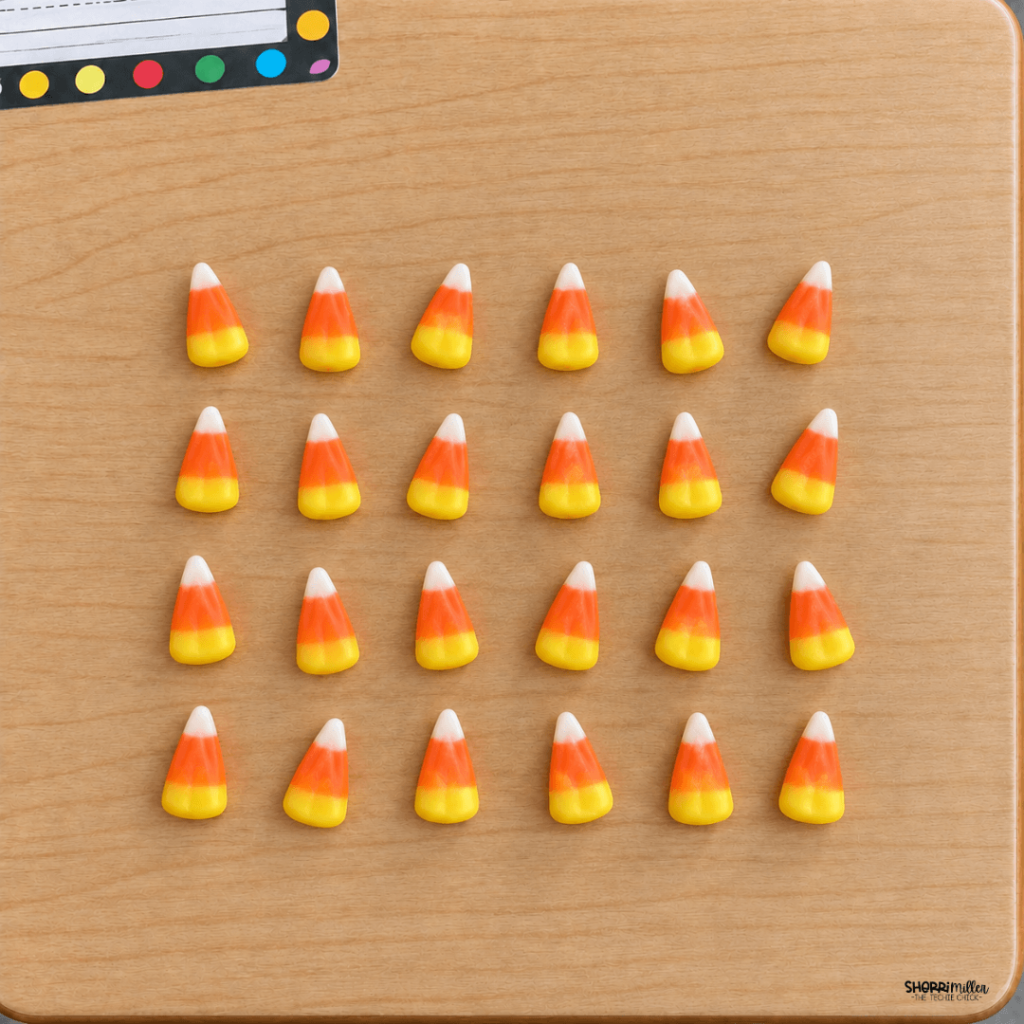
The easiest way to add a little October fun to math is to add some seasonal practice to the skills you are already teaching. This can quickly and easily be done in a variety of ways. First, add a fall element to the activity you have planned. For example, if you are working on arrays, you can have students build them with candy corn, fall mini erasers, or fall stickers. The lesson and activity are the same; you only need to adjust the supplies.
Another easy option is to change the context of the math. The skill stays exactly the same, but the numbers are connected to something seasonal. Instead of solving a word problem about 24 pencils, students might solve one about 24 pumpkins at a pumpkin patch. A graphing activity could use favorite Halloween candy, fall activities, or apple varieties as the data. Measurement practice could include pumpkins, leaves, or gourds. You aren’t teaching anything new. You are simply wrapping the math students already need to practice in a context that feels timely and fun.
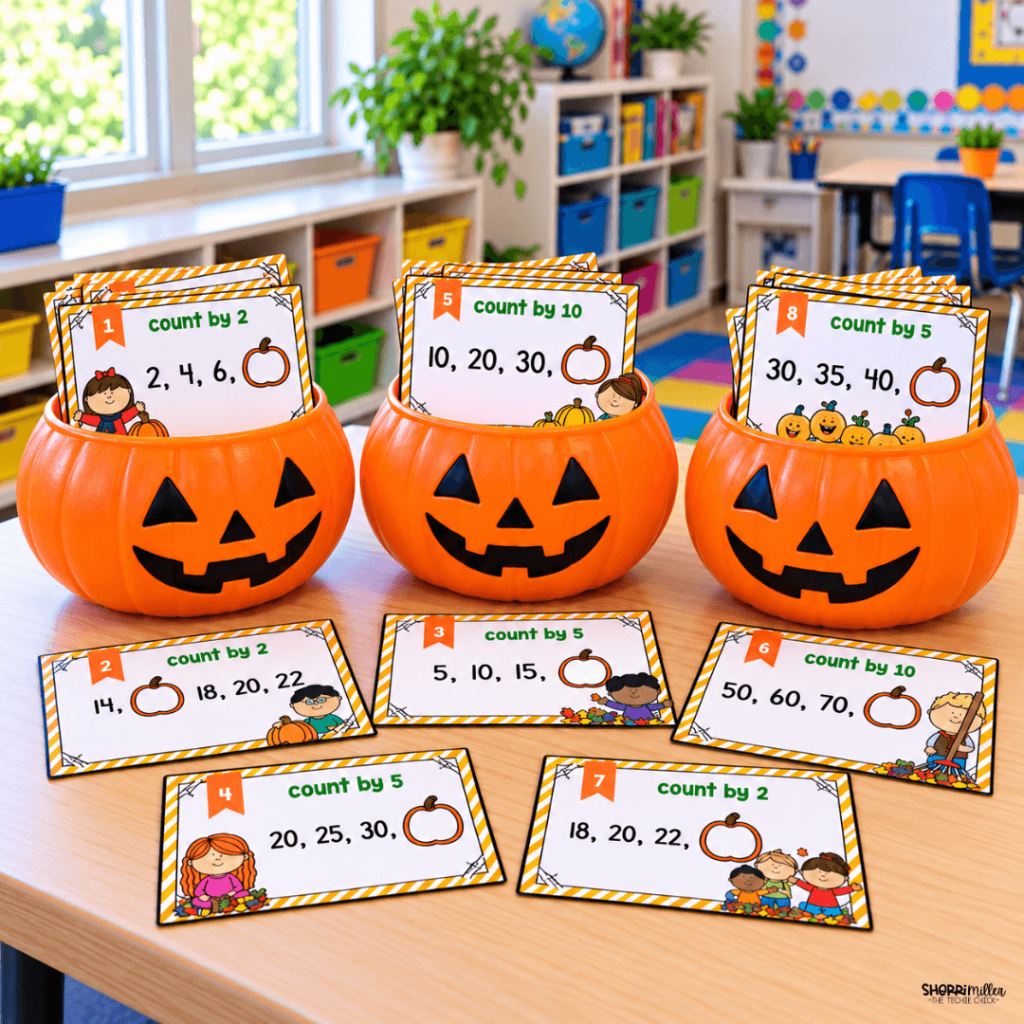
Finally, change the presentation of an activity you already use. Take the task cards you planned for a math center and put them inside small plastic pumpkins or paper treat bags for students to choose from. Write computation problems on paper leaves and scatter them across a table for students to solve. Hide number cards in a sensory bin filled with fall-colored shredded paper and have younger students find, sort, compare, or order them. These easy changes can have a big impact when it comes to student engagement.
When adding a fall or Halloween twist to your October math activities, the key is to start with your learning objective, not the theme. Ask yourself, “What do my students need to practice today?” Then look for one small way to change the supplies, context, or presentation. You get the extra engagement of a seasonal activity without adding an entirely new lesson to your plans.
Let a Little Mystery Creep Into Math
There’s something about a mystery that makes students want to keep going. The same multiplication, place value, or addition problem that might feel ordinary on a worksheet suddenly becomes much more interesting when solving it helps reveal a picture, unlock a code, or uncover a hidden message.
That’s what makes puzzle-style math activities such a good fit for October. The mystery element already feels right at home during the fall and Halloween season, but it also adds a layer of motivation that can help students stick with the practice a little longer. Instead of asking, “How many problems do I have left?” they’re more likely to be wondering, “What is this going to turn into?”
Mystery Pictures
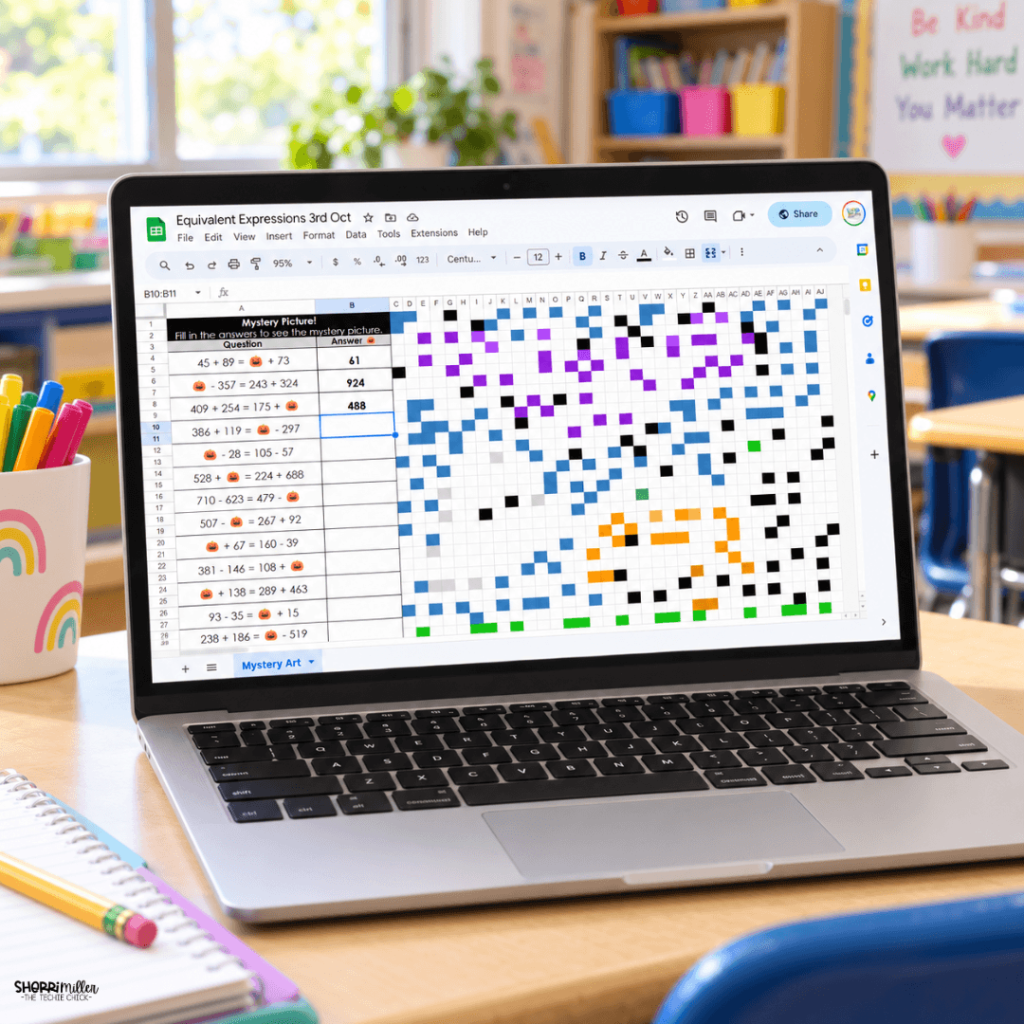
Mystery puzzles are especially useful because the finished picture gives students a visual clue about whether their work is correct. These digital Mystery Picture pixel art activities can take familiar skills and turn them into something students want to finish. As they type in correct answers, pieces of the picture reveal themselves.
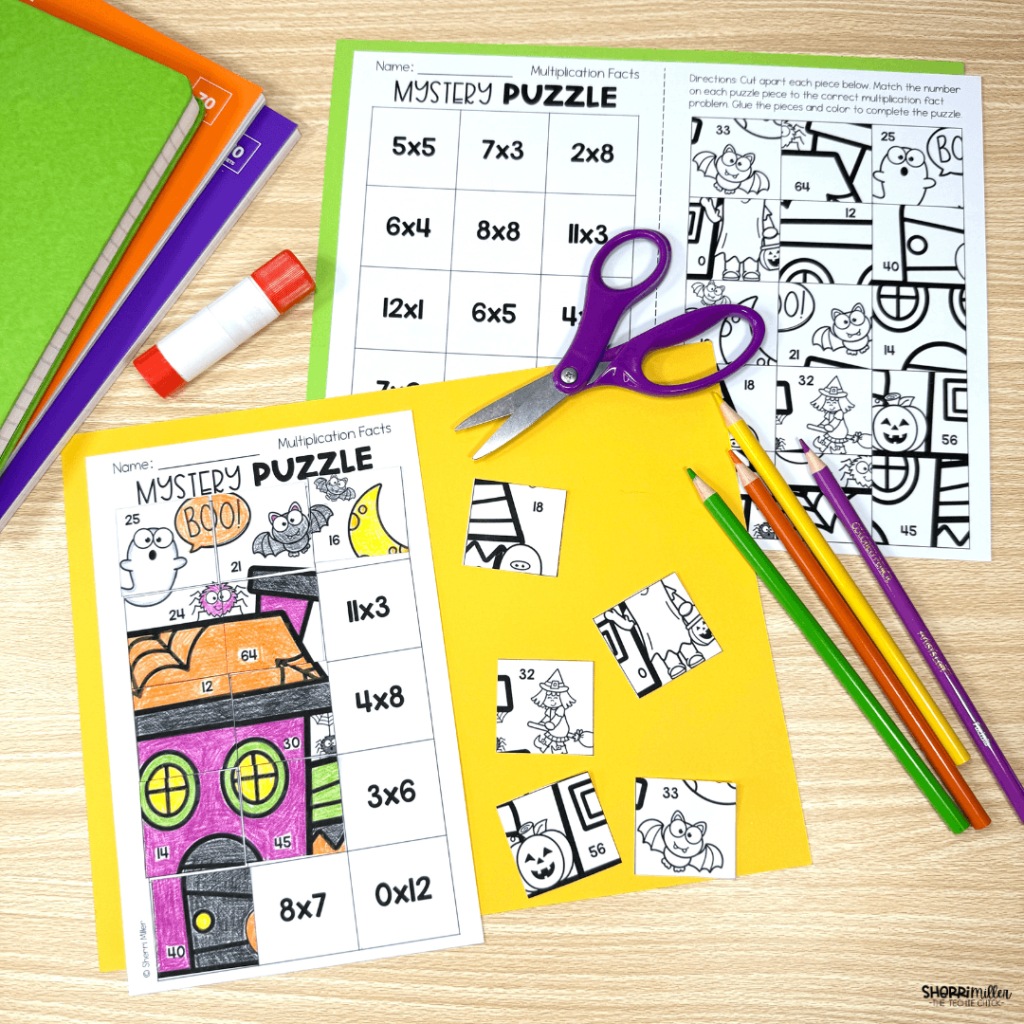
A more traditional style puzzle also makes for a highly engaging math activity. This Free Halloween Multiplication Puzzle gets students working on multiplication facts while building the puzzle picture. It’s a fun and easy way to add some mystery into your classroom without any extra prep. Use it as a whole-class practice activity, for morning work, as a math center, or even as an October early finisher activity.
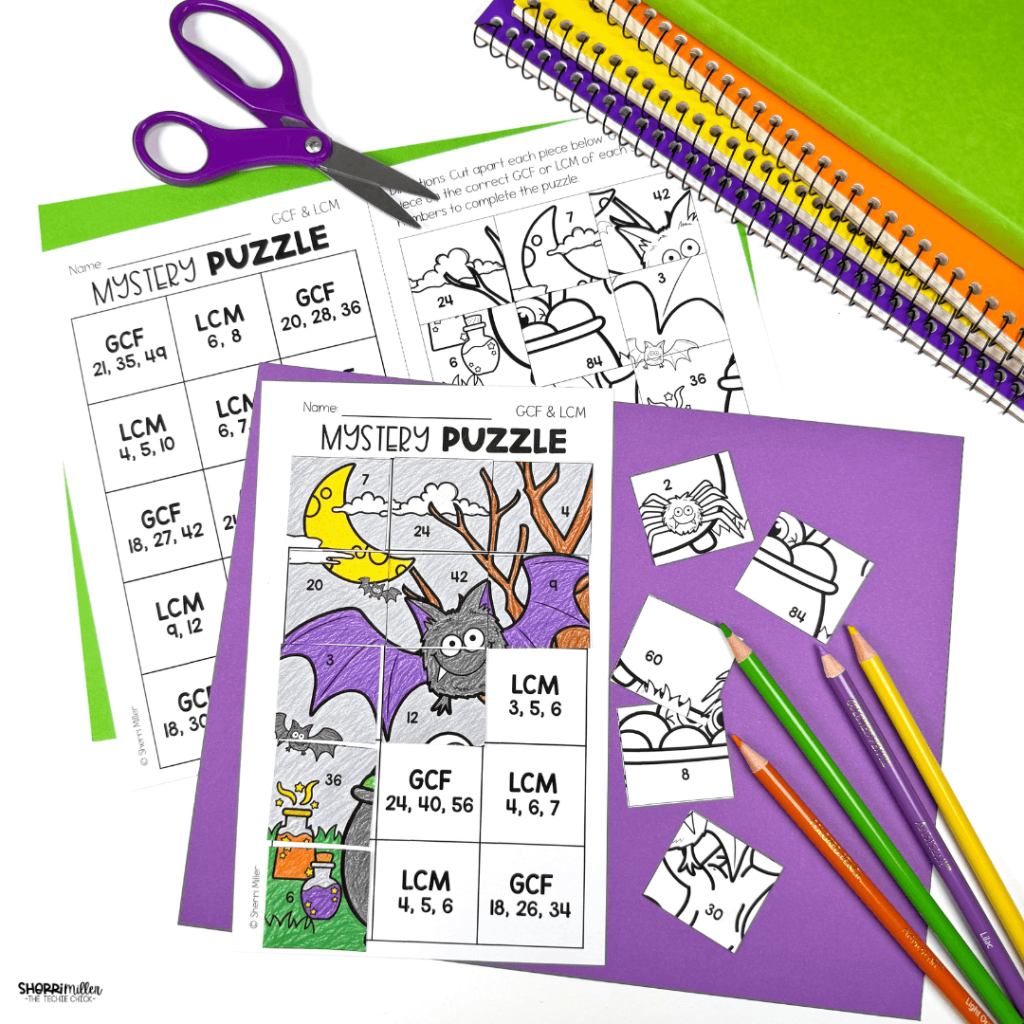
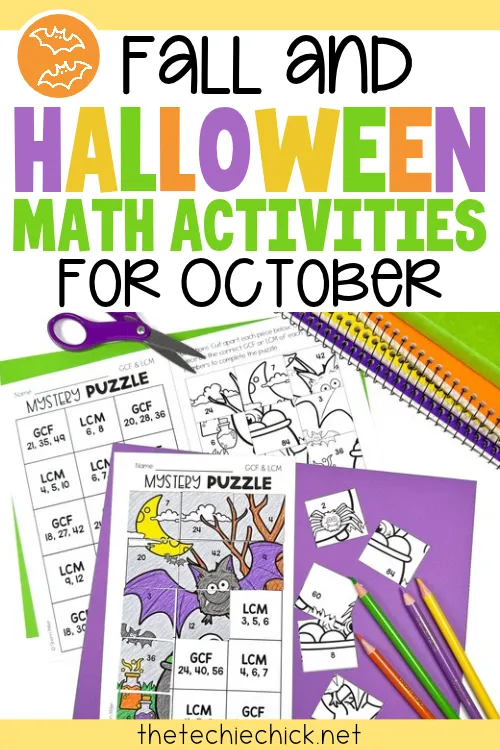
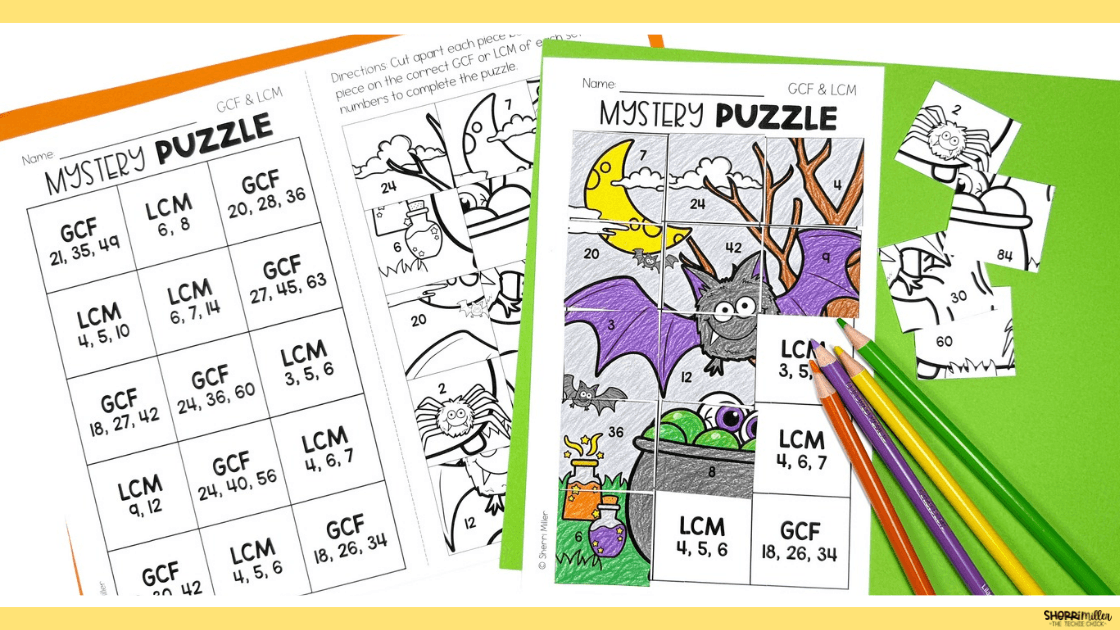
Four 4th grade classrooms, this Free Halloween GCF and LCM puzzle is a great activity for October! It will give students practice with greatest common factor and least common multiple in an engaging way. They will love it so much they won’t even feel like they are working.
Secret Codes
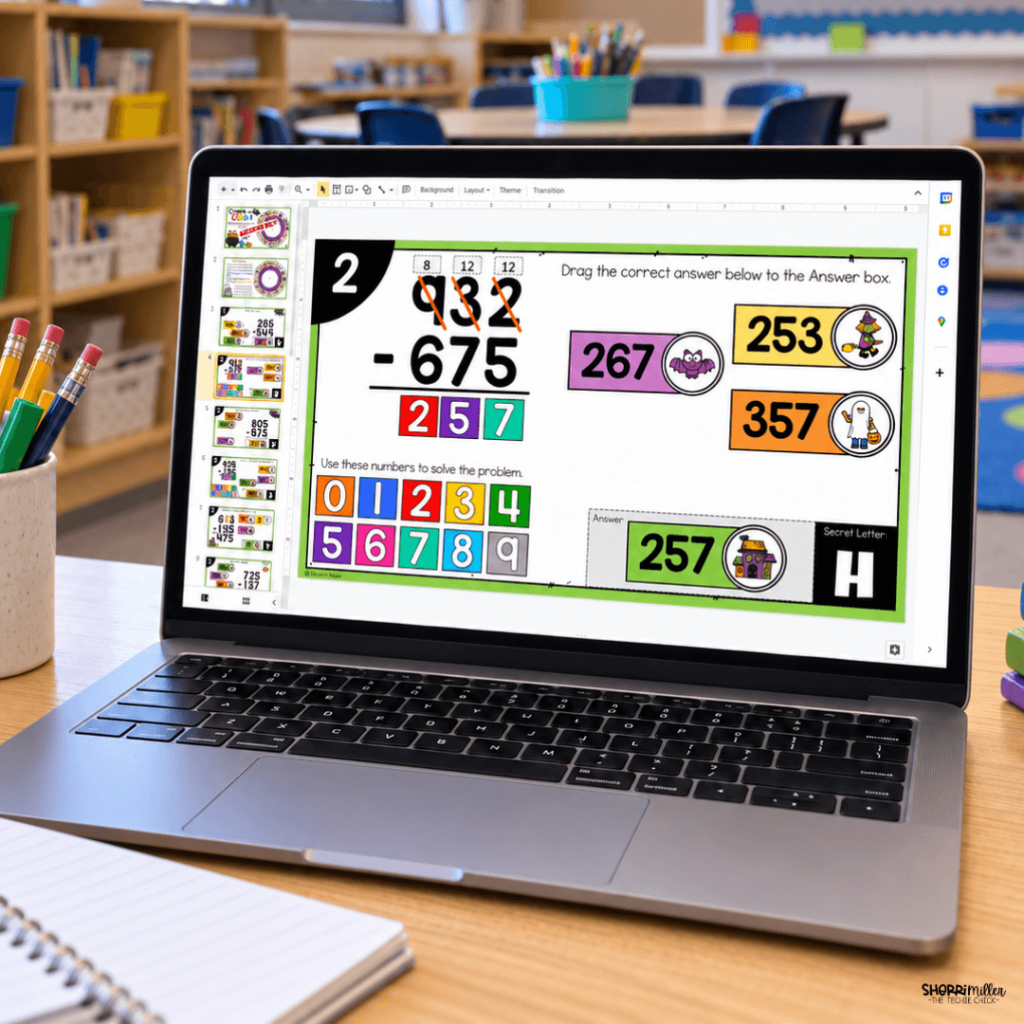
Crack-the-code activities work in a similar way, but instead of revealing a picture, students are working to decode a secret message. Whether your students are practicing Counting Money or 3 Digit Addition and Subtraction, they will love these crack-the-code activities.
That built-in feedback is one of the best parts of these puzzle-style activities. If the picture does not come together or the code does not make sense, students have a reason to go back and check their work on their own. Not only does this support their independence, but it helps to get them in the habit of self-checking their work.
By using a little mystery and curiosity to boost engagement, you can make October math practice something students are excited to finish. And. . . the best part is that the mystery does not replace the math; it simply gives students one more reason to stay engaged with it. If you are ready to add some mystery to your lesson plans, check out this 3rd Grade October Puzzle Pack.
Get Students Moving With Fall Math
By October, sometimes the best thing you can do for math practice is let students get out of their seats. A little movement can change the energy of the lesson without changing the skill students are practicing. As the weather outside starts cooling down, this might be the perfect time to build a little more active learning into your day.
Try a Math Scavenger Hunt
One of the easiest ways to do this is by sending your students on a math practice scavenger hunt. The setup is simple. Place task cards around the classroom, hallway, or other workspace and give students a recording sheet. Have students spread out and start at different cards so everyone is not crowded in the same place. Then students will solve the problem on their card and write the answer on the recording sheet before moving on to another card.
This format works especially well with word problems because students can focus on one problem at a time without the overwhelm of looking at an entire page of word problems at once. In my TPT store, I have 4 pre-made word problem scavenger hunts with a fall pumpkin patch theme that are ready to use if you don’t want to create your own.
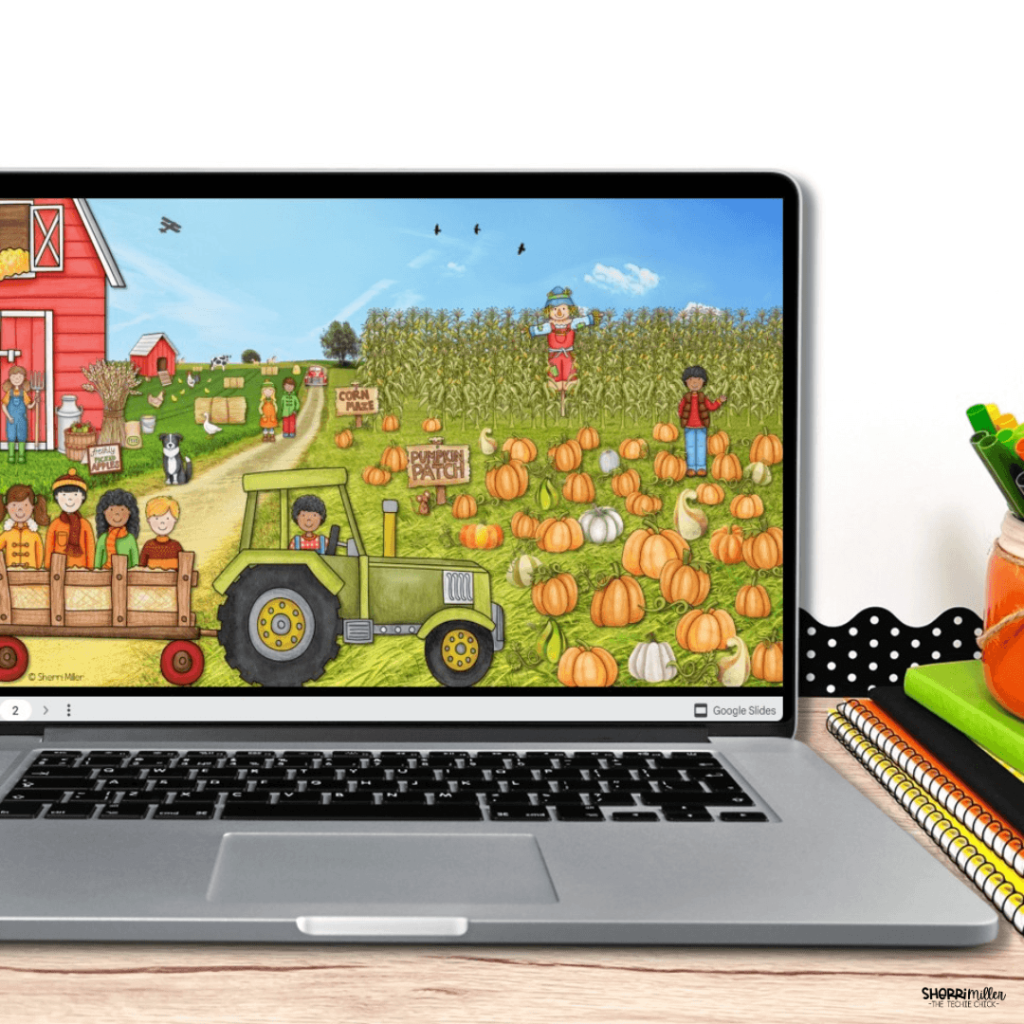
- Addition & Subtraction Facts Word Problems Scavenger Hunt
- Multiplication & Division Facts Word Problems Scavenger Hunt
- Multi-Digit Multiplication & Division Word Problems Scavenger Hunt
- Decimal Multiplication Word Problems Scavenger Hunt
Not only do they have everything you need for this movement-based math activity, but they also include a fun digital scavenger hunt.
Get Them Moving With a Game of Scoot
Scoot is another fun movement game that your students will love. Scoot works well for shorter problems or skills that students can solve fairly quickly. This is a little faster-paced than a scavenger hunt and works well as a whole-class activity.
Grab a set of task cards for the skill your students are working on. Place one on each desk and have students stand by their desk. When you tell them to start, students will have a designated time to answer the question and write the answer on their recording sheet. When you say “Scoot!” everyone moves to the next, and the countdown begins again. Keeping this fast-paced makes for a fun game and helps to keep everyone on task.
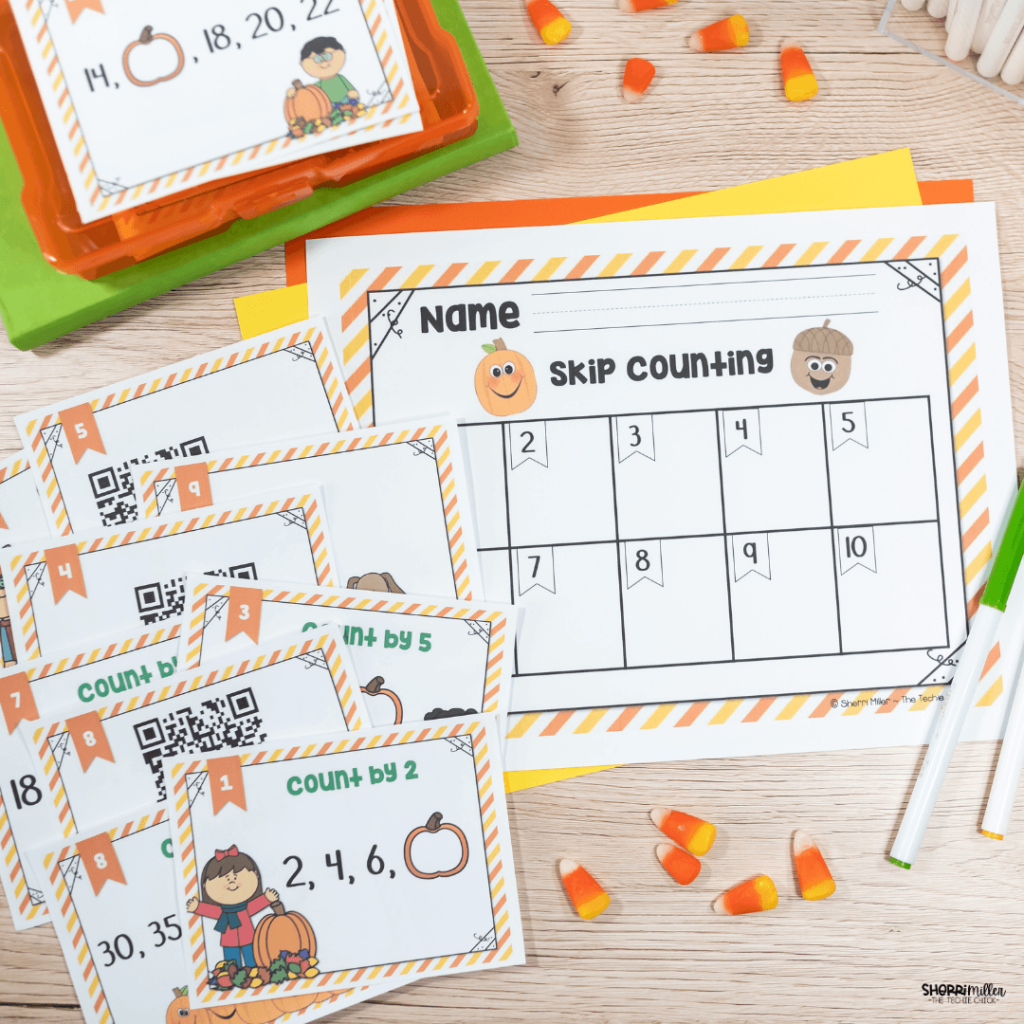
Task cards like these Skip Counting by 2, 5 & 10, for example, are perfect for a game of Scoot! They give younger students repeated practice while keeping the pace moving. You can also use the same structure with addition, subtraction, multiplication facts, place value, or almost any skill that fits on a task card.
A little planning on the front end can make these activities run smoothly. Number the cards, make sure students know which direction to move, and stagger starting points so you do not end up with six students waiting at the same problem. Once the routine is established, Scoot and scavenger hunts can become easy activity formats you can pull out again and again.
Engage Them With Technology
There are days when students have had enough pencil-and-paper practice. They still need to work on the skill, but changing the format can make the same type of math practice feel completely different. That’s where digital activities can be a great addition to your October lesson plans.
Instead of writing every answer on a worksheet, students might drag and drop numbers into the correct place, move pieces to complete a problem, type answers into interactive slides, or sort equations into the correct category. Whatever they are doing, you can be confident that the math skill hasn’t changed. Adding digital activities only changes the way students interact with math, and. . . sometimes that change is all you need to get quick buy-in from students.
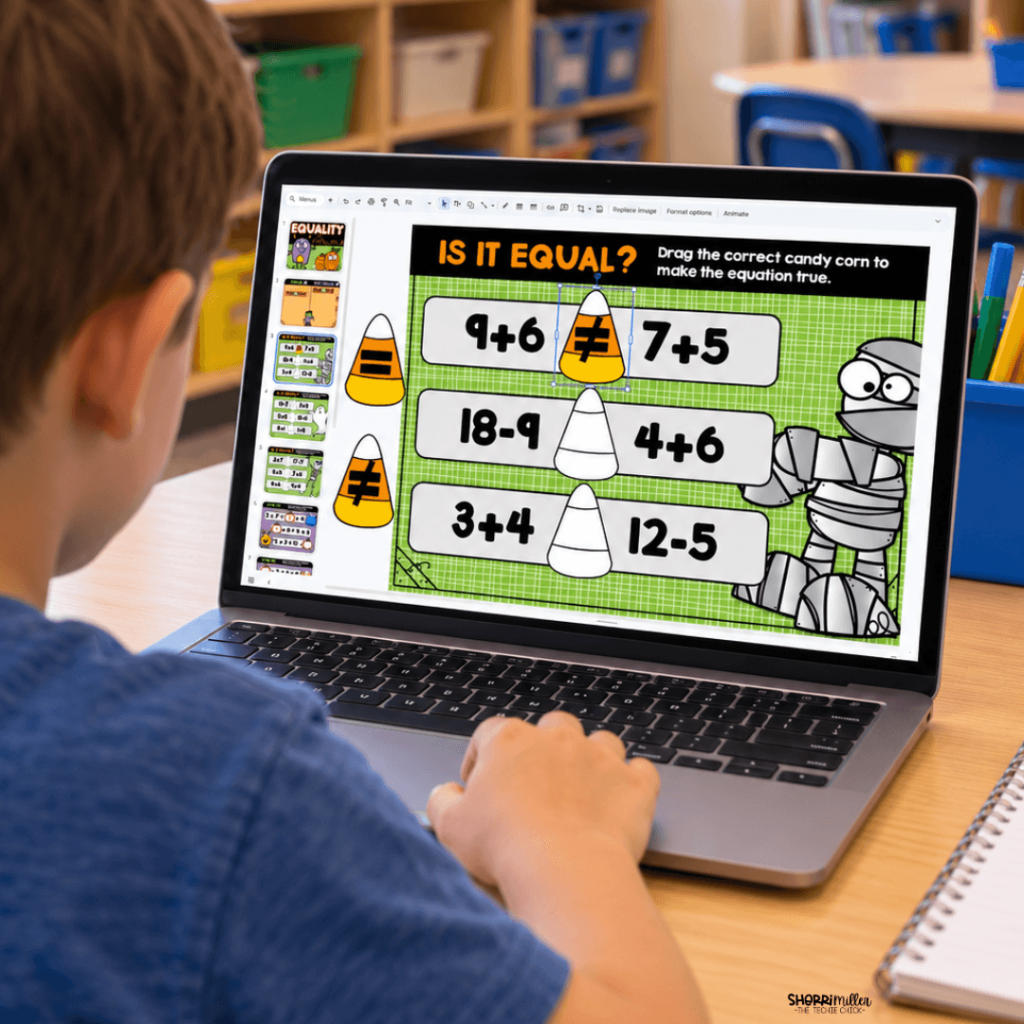
This works especially well for skills that require lots of repetition. The digital platform makes it easy to add variety that keeps the math practice feeling fresh. For example, this Halloween Equality and Inequality Digital Activity gets students sorting, solving, and matching all while practicing these important skills.
Digital math activities are also easy to fit into the routines you already have. Add one to a technology center, assign it for independent practice while you meet with a small group, keep one ready for early finishers, or use it when you need a no-prep activity students can jump into quickly. Since there is nothing to copy, cut, or organize ahead of time, they can be especially helpful during a busy week.
The goal isn’t to replace hands-on activities or pencil-and-paper practice with screens. It’s to add another format to your toolbox.
Give Math Practice a Mission
Sometimes students need more than a different worksheet or another round of practice problems. They need a reason to care about getting to the end. That’s where an escape room can completely change the feel of math practice.
Instead of simply solving a set of problems, students are working together in small groups toward a common goal. That mission-based format works especially well when students need focused practice with a skill they have already learned. Use an escape room for end-of-unit review, test prep, extra practice before an assessment, or even a Friday activity when you want math to feel a little more special. And. . . an activity like this can turn holiday excitement into a reason to focus.
Students tend to dive into escape rooms and “get lost” in the story and challenge. They don’t realize just how much math practice they are doing. This October, lean into the season with an escape room challenge that matches the skills your students are already practicing. Students can Save the Quarterback while working on place value skills, or challenge them to Escape the Haunted Castle while working on number sense, addition and subtraction, or factors and multiples.


Because the math is built into the mission, students have a reason to keep solving, checking, and talking through problems with their group. They aren’t just trying to finish another set of questions. They are trying to complete the challenge, and every problem gets them one step closer.
Make Math Fresh this October with Fall and Halloween Math Activities
A little seasonal fun can go a long way in October. You don’t need to overhaul your math block or create brand-new lessons; just look for small ways to make the practice feel timely, fresh, and a little more like October. The skills stay the same, but the seasonal twist can be exactly what students need to stay engaged and keep learning.
Frequently Asked Questions About Fall and Halloween Math Activities for October
How can I make math more engaging in October?
Start with the skills students already need to practice and add a seasonal element to the activity. Changing the supplies, context, format, or theme can make familiar math feel fresh without requiring you to create a completely new lesson. These quick changes or additions can bring a fall element or Halloween theme to your math activity.
What are some easy fall math activities for the classroom?
Fall math activities can be as simple as using seasonal manipulatives, adding fall-themed word problems, taking math practice outside, or using task cards for a scavenger hunt. You can also use puzzles, digital activities, or escape rooms to give students another way to practice the same skills.
How can I use Halloween math activities without losing instructional time?
Choose Halloween math activities that directly reinforce the standards and skills you are already teaching. When the theme is layered onto meaningful practice, students get the seasonal fun they are excited about without sacrificing the learning you need to accomplish.
What math activities work well for October centers?
Puzzles, digital activities, task cards, mystery pictures, crack-the-code activities, and seasonal skill practice all work well in October math centers. Look for activities students can complete independently or with a partner so you can keep centers running smoothly while still giving students useful practice.
Save These October Math Ideas
Save this post to your favorite fall or math Pinterest board so you can come back to these ideas when you need them. These fall and Halloween math activities make it easy to give students the skill practice they need while adding a seasonal twist that keeps them engaged.